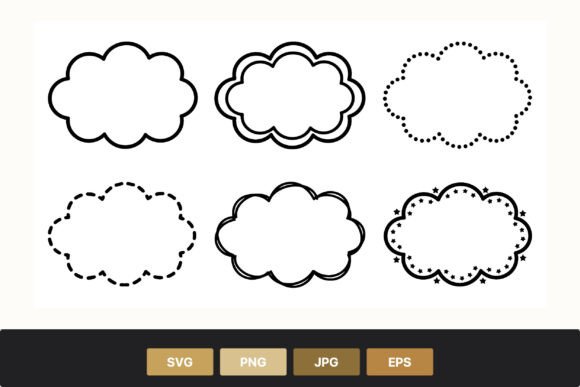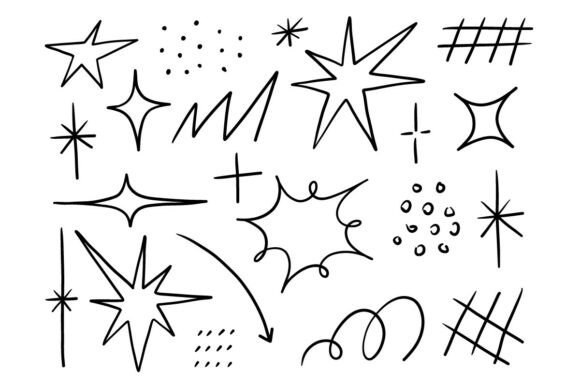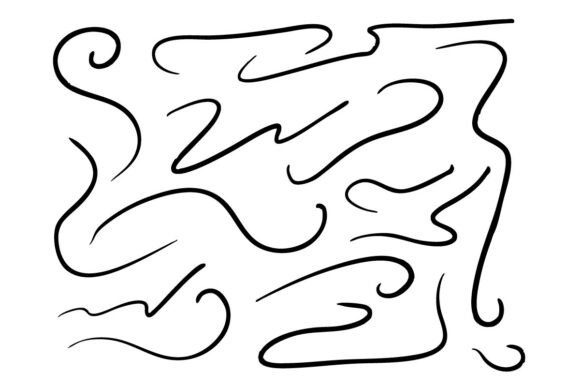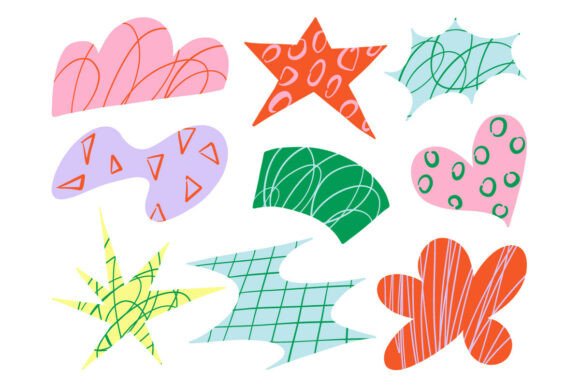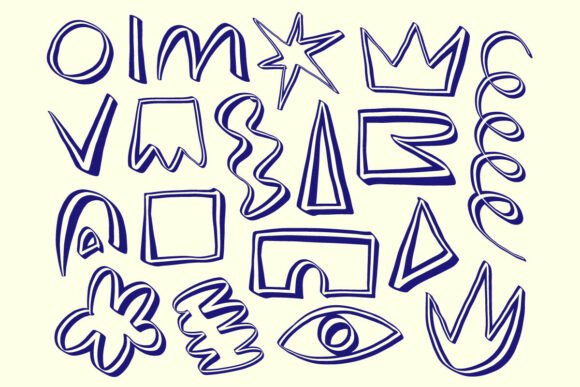
Abstract Doodle Shapes Outline Set Art
First Impressions: Loose, Lively, and Light on the Eye
Opening the Abstract Doodle Shapes Outline Set Art, I immediately felt that familiar spark—the kind you get when a design breathes instead of shouting. These aren’t rigid vectors or over-rendered icons. They’re hand-drawn outlines: wobbly circles, asymmetrical spirals, looping squiggles, and soft-edged blobs—all with intentional imperfection. The mood is calm but curious, modern without being cold, playful without tipping into childishness. As an embroidery designer who’s stitched everything from monogrammed baby onesies to boutique aprons, I know how rare it is to find illustration-style graphics that translate well to thread. This set lands right in that sweet spot: simple enough for clean stitching, expressive enough to feel handmade.
A Real Project Test: Embroidering a Linen Kitchen Towel
Last week, I used three elements from the Abstract Doodle Shapes Outline Set Art to create a custom kitchen towel for a local café’s opening gift set. I chose a looping vine shape, a tilted oval with interior cross-hatching, and a loose starburst—arranged asymmetrically near one corner. On smooth, medium-weight linen with tear-away stabilizer and 40-weight rayon thread, the outlines stitched cleanly at 8–10 mm height. No skipped stitches. No thread breaks. What stood out wasn’t just technical success—it was how the design *felt* when finished: relaxed, intentional, quietly confident. Customers noticed it. Not because it was flashy, but because it looked like someone *drew it*, then stitched it with care—not auto-traced or over-digitized.
Where It Shines (and Where It Needs Thought)
The Abstract Doodle Shapes Outline Set Art excels in projects where personality matters more than precision:
- Custom apparel: Works beautifully on sweatshirts and tote bags—especially oversized placements where the organic lines echo the garment’s drape.
- Baby embroidery: Soft outlines avoid harsh edges, making them ideal for onesies, burp cloths, and nursery pillows.
- Embroidered patches: Clean single-layer outlines digitize well into sew-on or iron-on patches with minimal underlay.
- Holiday and wedding gifts: Paired with a subtle monogram or date, these shapes add warmth without clutter—think tea towels for bridal showers or linen napkins for small weddings.
- Etsy listings and printable mockups: Because they’re illustration-based Graphics, they scale cleanly for digital previews, social posts, and listing banners—no pixelation, no loss of charm.
But—and this is where experience kicks in—don’t assume it’s plug-and-play everywhere. Use caution with:
- Stretchy fabric: Thin, knitted fabrics like lightweight tees need extra stabilizer; those loose curves can distort if tension isn’t balanced.
- Curved surfaces: Caps and beanies demand careful placement. A looping shape may warp near the bill curve unless resized and repositioned.
- Dark or textured fabric: Since these are outline-only Illustrations, contrast depends entirely on thread color. On black terry cloth or burlap, even bold thread can recede—test first.
- Tiny hoop sizes: Some doodle elements include fine interior details (like delicate cross-hatching or micro-loops). Below 3" hoop size, simplify or omit those parts manually.
- Frequent-wash items: While outlines stitch quickly, thin lines hold up best with quality thread and proper backing—don’t skip the cutaway stabilizer for baby blankets or kitchen linens.
What It Does for Your Craft Business
This isn’t just another pack of clipart. The Abstract Doodle Shapes Outline Set Art quietly lifts the perceived value of your handmade product. Why? Because customers respond to authenticity—not perfection. When someone sees uneven line weight or a slightly off-center spiral on their custom embroidered pillow cover, they don’t think “mistake.” They think “made for me.” That builds trust. That supports premium pricing. That makes your small shop product stand out next to mass-produced alternatives.
For Etsy sellers and creative entrepreneurs, these shapes also offer real flexibility. Layer one over a simple text phrase for a personalized gift. Use two as bookends around a client’s logo on a tote bag design. Combine three into a repeating border for a holiday embroidery collection. And because they’re built as individual elements—not locked compositions—you retain full control over spacing, rotation, and scale. That’s essential for maintaining brand consistency across product lines.
Practical Designer Notes Before You Stitch
Before committing to your next embroidery project, do these five things:
- Test on scrap fabric—same type and weight as your final piece. Watch how the lines behave on seams, folds, and bias cuts.
- Check thread color contrast in both natural and artificial light. A charcoal gray line on navy looks elegant in daylight but disappears under café lighting.
- Review stitch density. Even outline designs can pile up if digitized with heavy underlay—ask your digitizer or check the file properties.
- Confirm licensing before selling finished items or bundling the digital embroidery file into kits. Commercial use isn’t automatic—even for Graphics.
- Use proper stabilizer—especially for lightweight cottons or textured weaves. A floating layer often helps preserve the hand-drawn looseness.
And one last note: try rendering the Abstract Doodle Shapes Outline Set Art in black-and-white mockups before finalizing. If it reads clearly without color, you’ve got a winner for any background—light or dark, solid or patterned.
Final Thought: Design That Leaves Room for Humanity
In a world saturated with hyper-polished, algorithm-optimized graphics, the Abstract Doodle Shapes Outline Set Art feels like a quiet exhale. It doesn’t try to be everything. It’s not meant for logos or tiny pocket logos or dense fill-stitch murals. It’s for the coffee cup sleeve that makes a customer smile. For the baby blanket that feels like a hug. For the craft business that values craft over convenience. Used thoughtfully—with attention to fabric, thread, and intention—it doesn’t just decorate a surface. It invites connection. And that, after twenty years of stitching, is still the hardest thing to replicate.