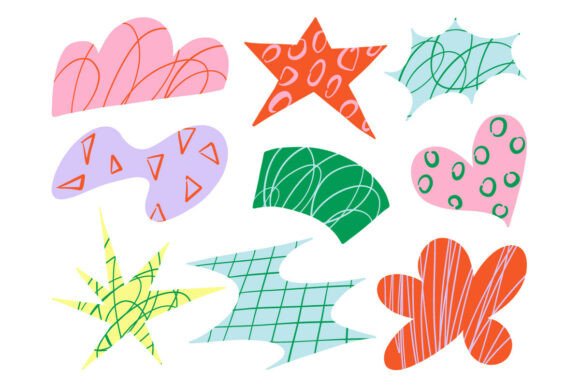
Abstract Pattern Shape Texture Element: Graphics & Illustrations
First Impression: Playful, Polished, and Purposefully Unpredictable
Opening Abstract Pattern Shape Texture Element felt like unboxing a curated mood board—vibrant but never chaotic, structured yet full of organic surprise. This collection delivers abstract shapes that balance geometry with fluidity: think soft-edged hexagons layered with subtle dot gradients, or asymmetrical blobs textured with fine-line grids. It doesn’t scream “corporate” or “minimalist”—it leans into expressive modern design, making it ideal for lifestyle brands, creative entrepreneurs, and small business owners building warm, human-centered brand identities. The emotional tone is upbeat curiosity—inviting, not overwhelming. It reads as confident but approachable: perfect for seasonal offers, digital product launches, or Pinterest-optimized content kits where visual distinction drives clicks.
A Real Campaign Test: Refreshing a Wellness Coach’s Social Media Visuals
I recently used Abstract Pattern Shape Texture Element to rebuild the Instagram and email banner system for a holistic wellness coach launching her first online course. Her existing visuals were clean—but too quiet. They lacked visual hierarchy and failed to stop scrollers. We embedded key shapes behind bold headlines in Canva templates, used scaled-down patterned circles as decorative bullet points in lead magnets, and layered translucent geometric forms beneath portrait photos in Stories. Instantly, her feed gained rhythm and warmth without sacrificing professionalism. Unlike generic stock graphics, these illustrations added personality while staying on-brand—no visual “noise,” just intentional texture and movement.
Where It Strengthens Brand Communication
- Brand identity: Works beautifully as secondary graphic elements—think header accents, divider lines, or background motifs that reinforce visual consistency across web design, email banners, and media kits.
- Social media graphics: Elevates Instagram posts and Pinterest pins by adding depth and dimension without competing with copy. Ideal for quote cards, workshop announcements, and product launch countdowns.
- Packaging design & product labels: Adds tactile appeal to printable design—especially when printed on kraft paper or matte stock. The organic patterns soften rigid packaging while keeping it premium.
- Digital ads & editorial design: Serves as dynamic framing devices—crop a shape around a testimonial, use a grid-textured arc as a subtle overlay for blog headers, or animate a single SVG design as a loading element in web design.
- Content marketing assets: Powers reusable Canva templates, downloadable checklists, and branded slide decks—giving digital product visuals cohesion and creative energy.
Marketing Goals It Directly Supports
Abstract Pattern Shape Texture Element isn’t just decoration—it’s strategic visual infrastructure. It builds stronger first impressions by replacing flat color blocks with dimensional interest. It improves visual hierarchy by guiding the eye toward focal points (e.g., placing a bold dot-patterned circle behind a CTA button). It boosts audience trust through polished, cohesive design—even on low-budget campaigns. And because each shape feels handmade yet precise, it fosters emotional connection without leaning into clichéd “boho” or “techy” tropes. For small business branding, that balance is gold: professional enough for credibility, expressive enough for memorability.
Best Fit Use Cases
- Hero graphics and campaign headers (especially with bold typography)
- Branded templates for social media graphics and email newsletters
- Packaging accents and sticker sheets for merchandise or subscription boxes
- Decorative brand elements in editorial layouts and digital product visuals
- Printable design bundles—wall art, planners, and workshop workbooks
Where to Proceed with Intention
This collection shines brightest when given breathing room. Avoid using Abstract Pattern Shape Texture Element in formal corporate branding (e.g., law firm websites or B2B SaaS dashboards), dense information layouts (like comparison tables or multi-step infographics), or small mobile graphics where texture detail dissolves. It can overwhelm low-contrast backgrounds or clash with overly minimal brands built on stark whitespace. And in text-heavy Facebook ads or Google Display banners, scale back usage—let one shape anchor the composition instead of layering multiple.
Practical Brand Designer Notes
- Test every shape against your core brand color palette—some textures pop better with saturated tones; others recede gracefully with muted neutrals.
- Check black-and-white usage: does the pattern retain legibility and structure when desaturated? Critical for printables and accessibility.
- Drop shapes into real campaign mockups—not just isolated previews—to assess spacing, balance, and emotional resonance.
- Preview on mobile screens: does the grid texture stay crisp at 150px width? Does a dot pattern blur into a gray blob?
- Compare against competitor visuals: does it help you stand out—or unintentionally echo someone else’s aesthetic?
- Pair with fonts intentionally: serif fonts gain grounded elegance; sans serifs feel sharper and more contemporary; script fonts soften into cohesive storytelling.
- Confirm commercial license terms before deploying in client work, paid campaigns, or digital product visuals—this is essential for professional branding and small business branding compliance.
Final Verdict: A Strategic Graphic Design Asset, Not Just Clipart
Abstract Pattern Shape Texture Element transcends typical illustration bundles. It’s a versatile, emotionally intelligent graphic design asset—designed for creators who understand that marketing visuals aren’t just seen, they’re felt. Whether you’re designing packaging inserts for an indie candle line, building a Canva template library for your coaching business, or refreshing a blog’s visual voice, this collection delivers modern design with purpose. It supports content marketing goals without demanding attention away from your message—and that’s rare. For brand owners, digital sellers, and creative entrepreneurs seeking printable design and digital product visuals that look custom-made, not off-the-shelf, this is one of those quietly powerful design assets worth keeping in active rotation.