Delicate Ornate Frame Vector Designs
First Impressions: Elegance That Whispers—Not Shouts
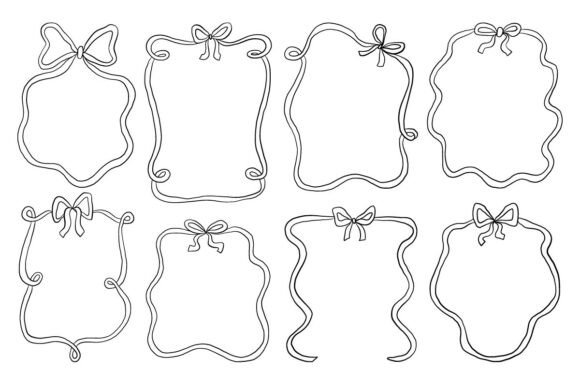
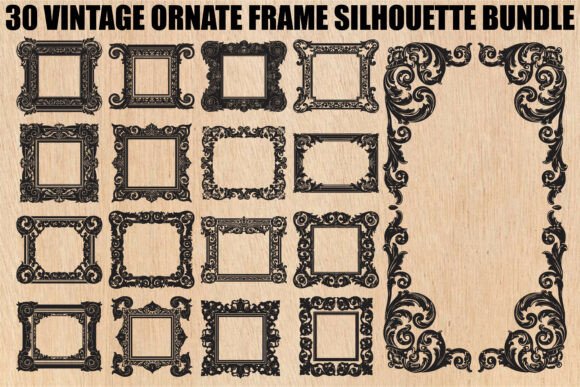
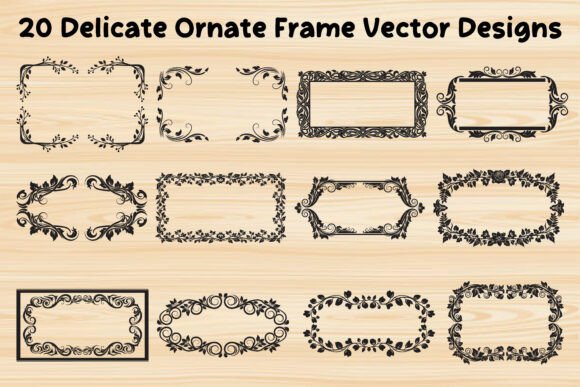
Opening Delicate Ornate Frame Vector Designs, I felt that quiet thrill designers recognize instantly: a set that doesn’t chase trends but settles into timelessness. These 20 frames aren’t fussy—they’re thoughtfully restrained. Think trailing ivy loops, slender acanthus scrolls, and tiny botanical motifs spaced with breathing room. No overcrowded corners. No forced symmetry. Just balanced asymmetry, gentle curves, and negative space that invites stitching—not fights it. This isn’t ornate for ornament’s sake; it’s ornate with intention. It feels like something you’d choose for a linen baby blanket or a monogrammed tea towel—not a neon gym bag.
A Real Project Test: Embroidering a Linen Kitchen Towel for a Wedding Gift
Last week, I prepped a custom kitchen towel for a friend’s wedding—linen blend, medium weight, natural off-white. I chose one of the smaller frames from Delicate Ornate Frame Vector Designs to cradle her initials in the lower corner. Why this set? Because linen has texture, low stretch, and zero forgiveness for dense stitch clusters—and these frames avoid exactly that. The vector outlines translated cleanly into a machine embroidery design with moderate stitch density, minimal satin stitch runs, and no micro-fill zones under 3mm. When stitched, the frame held its shape without puckering, and the fine stems read clearly—even at 4.5 inches wide. Customers notice that subtlety: it says “handmade with care,” not “machine-made by default.”
Where These Frames Shine (and Where They Ask for Thought)
Delicate Ornate Frame Vector Designs excels on stable, medium-weight fabrics where detail can land softly:
- Tote bags & aprons: Works beautifully on canvas or cotton duck—especially when placed along a seam or corner as a refined accent.
- Baby items: Ideal for onesies, burp cloths, or crib sheets—soft lines feel tender, not stiff.
- Pillow covers & tea towels: The open structure lets fabric show through, enhancing texture rather than masking it.
- Wedding & boutique merchandise: Elevates personalized gifts without overwhelming the item’s purpose—think embroidered napkins, guest book covers, or boutique packaging tags.
But let’s be real: delicate doesn’t mean universally adaptable. Use caution with:
- Small hoop sizes (under 4”): Some frames include fine outer tendrils that may clip or compress awkwardly—check layout before digitizing.
- Stretchy or thin fabrics (like jersey or voile): Those slender vines need stabilizer support—light tear-away alone won’t cut it. Try cut-away + topping for crispness.
- Dark or heavily textured backgrounds: Delicate line work can visually recede. Test thread colors against your fabric—not just on screen. A soft ecru on charcoal linen? Gorgeous. A pale gold on black terry? May vanish.
- Curved surfaces (caps, curved pillow fronts): Avoid frames with tight inner corners—they’ll distort. Opt for the more open, flowing variants instead.
What This Set Does for Your Craft Business—Beyond Pretty Pixels
As an Etsy seller and small shop owner myself, I judge design assets not just by aesthetics—but by how they affect buyer trust, perceived value, and repeat engagement. Delicate Ornate Frame Vector Designs strengthens all three. When customers see clean, intentional framing around a monogram or date on a finished product, they register craftsmanship—not just customization. That translates directly to higher perceived value, fewer “Is this really handmade?” questions, and stronger brand consistency across your listings. I’ve used one of these frames across three product types—a linen sachet, a cotton apron, and a digital printable mockup—and the visual thread ties them together without feeling repetitive.
Practical Designer Notes Before You Stitch
Before turning Delicate Ornate Frame Vector Designs into a finished product—or listing it as part of your craft business—here’s what I always do:
- Test on scrap fabric first: Especially if using textured or dark material. See how thread tension interacts with those fine stems.
- Review stitch density: Even elegant designs can overfill. Zoom in digitally—look for overlapping fill stitches or tightly packed satin columns.
- Confirm hoop size compatibility: Not all frames fit standard 4×4 hoops without scaling. Measure the widest variant before digitizing.
- Inspect small details: Are those tiny leaves or buds actually stitchable at your intended size? If not, simplify—not delete.
- Mock up in black and white: Helps spot contrast issues before committing thread or fabric.
- Use proper stabilizer: Medium-weight cut-away is my go-to for most applications. For sheer fabrics, add a water-soluble topping.
- Verify licensing: Since this is categorized as Illustrations and Graphics, confirm whether the license permits commercial use of finished embroidered items—or resale of digitized versions. When in doubt, contact the creator.
Final Thought: Design That Supports, Not Dominates
What makes Delicate Ornate Frame Vector Designs stand out isn’t complexity—it’s clarity of purpose. It doesn’t try to be a focal point. It creates space for meaning: a name, a date, a sentiment. In embroidery, that restraint is rare—and valuable. Whether you’re stitching a baby’s first bib, branding a boutique apron line, or building digital embroidery file bundles for fellow makers, this set gives you elegance with integrity. It respects the fabric. It respects the stitcher. And it respects the person receiving the finished product. That’s not just good design. That’s thoughtful design.